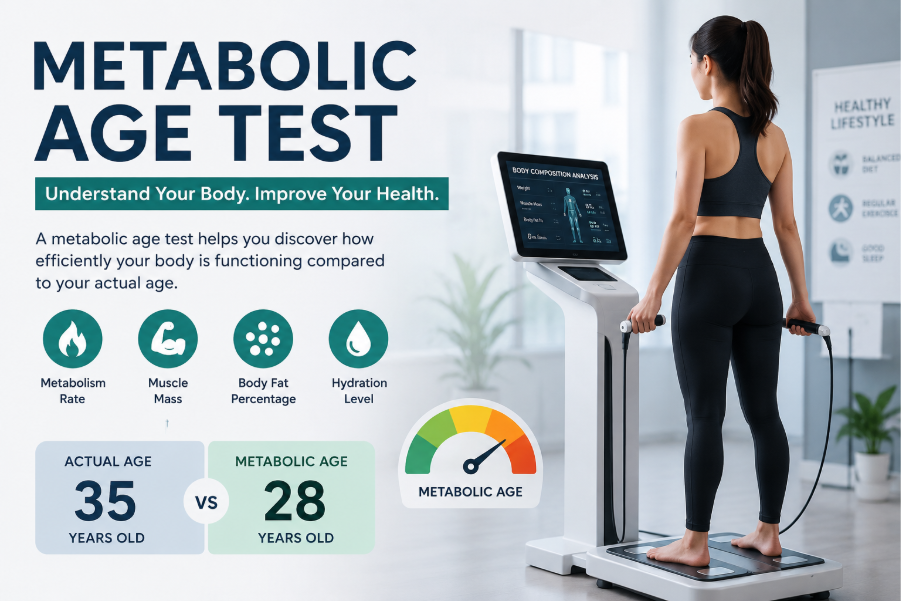
In Singapore, health awareness is shifting from routine checkups to a more preventive and long-term approach. While basic health screening and a health assessment test are still widely used, many individuals now look beyond standard reports to better understand future health risks. A typical screening offers a snapshot of current health, identifying visible issues like cholesterol or blood sugar levels. However, it may not capture deeper biological changes that develop over time. This is where longevity and preventive health approaches become more relevant. Instead of focusing only on present conditions, they explore advanced biomarkers and early indicators that can influence long-term outcomes.
Approaches like BioBaseline by Biotier Longevity focus on building a structured health baseline using deeper insights, helping individuals understand their body more clearly and track changes over time.
Understanding Basic Health Screening
Basic health screening is designed to provide a general overview of health status. It typically includes commonly used medical tests that assess broad indicators of well-being.
These usually include:
-
Blood glucose levels
-
Cholesterol profile
-
Liver and kidney function
-
Blood pressure and body mass index
These markers are useful for identifying existing or more obvious health concerns. They are also widely accessible and suitable for routine monitoring. However, basic screening is primarily designed for general population use. It focuses on identifying conditions that may already be developing, rather than detecting subtle internal imbalances at an early stage.
What is Longevity and Preventive Health Screening?
Longevity-focused screening takes a more advanced and forward-looking approach as part of a preventive health checkup. It is not limited to identifying disease. Instead, it focuses on understanding how the body is functioning over time and detecting early biological signals that may indicate future health risks.
This approach includes deeper analysis of areas such as:
-
Metabolic function
-
Inflammation levels
-
Cardiovascular risk indicators
-
Nutritional imbalances
The purpose is to identify patterns that are not visible in routine testing. These insights help individuals make more informed decisions about lifestyle, habits, and long-term health planning. Rather than reacting to illness, longevity screening supports a more proactive and preventive way of thinking about health.
Key Difference Between Basic and Longevity Screening
Longevity / Preventive Health Screening
| Aspect | Basic Health Screening | Longevity / Preventive Health Screening |
|---|---|---|
| Purpose | Identifies existing or visible health conditions | Identifies early risks and supports long-term health planning |
| Approach | Reactive, focused on current health status | Proactive, focused on future health risks and prevention |
| Depth of Analysis | Surface-level overview using standard markers | Deeper insights using advanced biomarkers and patterns |
| Type of Markers | Common markers like glucose, cholesterol, liver function | Advanced markers like Lp(a), homocysteine, HOMA-IR |
| Risk Detection | Detects conditions that may already be developing | Detects hidden and early-stage biological changes |
| Data Interpretation | Individual values reviewed separately | Biomarkers analyzed as connected patterns |
| Outcome | General health snapshot | Detailed health baseline and long-term insights |
| Frequency of Use | Routine periodic checkups | Structured tracking over time for trend analysis |
| Health Perspective | Short-term health monitoring | Long-term health optimization and awareness |
Why Basic Screening May Miss Early Risks
One of the key limitations of basic screening is that it focuses on commonly accepted markers with standard reference ranges.
While these markers are useful, they do not always reflect early-stage dysfunction.
For example:
-
Cholesterol levels may appear normal while deeper cardiovascular risks exist
-
Blood glucose may be within range while insulin resistance is already developing
-
Inflammation may be present but not captured through routine markers
Important Biomarkers in Longevity Screening
A key aspect of preventive health screening is the use of advanced biomarkers that are not typically included in standard packages. These markers help reveal hidden risks and provide a more complete understanding of the body.
Lp(a) or Lipoprotein(a)
Lp(a) is a genetic marker linked to cardiovascular risk. Unlike standard cholesterol, it is not influenced much by lifestyle and is often not included in routine screening. Elevated levels can increase heart-related risk even when other cholesterol values appear normal.
Homocysteine
Homocysteine is an amino acid associated with cardiovascular and neurological health. High levels may indicate inflammation or nutrient imbalances, especially in B vitamins. It is usually not part of basic screening panels.
HOMA-IR (Insulin Resistance)
HOMA-IR measures insulin resistance, an early sign of metabolic dysfunction. It helps detect issues before blood sugar levels rise, offering deeper insight than standard glucose tests.
Why These Biomarkers Matter in Preventive Health
Advanced biomarkers provide a deeper layer of insight that goes beyond surface-level health data.
They help identify:
-
Hidden cardiovascular risk factors
-
Early metabolic imbalances
-
Low-grade inflammation
-
Long-term disease patterns
These insights allow individuals to move beyond reactive healthcare and toward a more informed and preventive approach.
BioBaseline and a Structured Health Baseline Approach
The BioBaseline approach by Biotier Longevity is designed to support a more structured understanding of health using advanced data and biomarker insights.
Instead of functioning as a conventional screening service, it focuses on:
-
Establishing a detailed personal health baseline
-
Interpreting biomarker patterns in a connected way
-
Tracking changes over time
-
Supporting long-term health awareness
This approach emphasizes understanding rather than just testing. It allows individuals to see how their health evolves and how different markers interact with each other over time. By building a consistent baseline, it becomes easier to identify meaningful changes and trends.
What to Expect from a Longevity-Focused Approach
A longevity-focused health approach is typically data-driven and structured around deeper insights rather than one-time results.
It may involve:
-
Advanced biomarker analysis
-
Pattern-based health interpretation
-
Periodic tracking for comparison
-
Structured reporting for clarity
The emphasis is not just on collecting data, but on understanding what that data means in a broader health context. This helps individuals make more informed and confident decisions about their lifestyle and long-term well-being.
Benefits of Longevity Health Screening
A preventive and longevity-focused approach offers several important advantages:
-
Earlier awareness of hidden health risks
-
Deeper understanding of internal body function
-
Better alignment between lifestyle and health goals
-
Ability to track meaningful changes over time
-
More clarity in long-term health planning
How Often Should You Consider It?
Longevity-focused health insights are typically reviewed periodically rather than frequently repeated without purpose. The focus is on consistency and tracking over time. By using the same markers and structured baseline, individuals can observe trends and patterns that provide more meaningful insights than isolated reports.
Conclusion
Basic health screening provides a general overview of health but may miss early-stage changes and hidden risks. Longevity and preventive health screening offers deeper insights through advanced biomarkers like Lp(a), homocysteine, and HOMA-IR. This helps individuals move beyond surface-level results and better understand their long-term health. With structured approaches like BioBaseline, Biotier Longevity supports this shift toward deeper awareness, helping individuals build a clearer understanding of their health baseline and track meaningful changes over time. Contact us today for more information and take a step toward better health understanding.