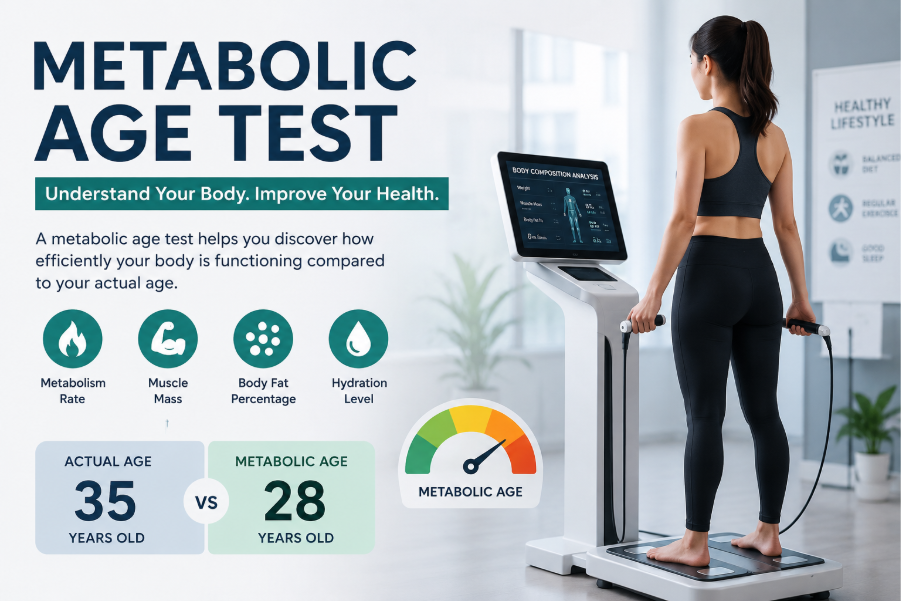
In Singapore, more people are focusing on long term health instead of only tracking weight or short term fitness goals. One concept gaining attention is the metabolic age test. It helps individuals understand how their body is functioning internally compared to their actual age. Unlike basic assessments, modern metabolic insights are increasingly derived from advanced blood analysis rather than physical measurements. This allows for a deeper understanding of how the body processes nutrients, produces energy, and maintains balance over time.
Health focused providers like Biotier Longevity support this approach by using structured biomarker analysis to evaluate metabolic function. This article explains what a metabolic age test is, how it works through blood testing, and why it plays an important role in everyday health awareness.
Understanding the Metabolic Age Test
A metabolic age test estimates how efficiently your metabolism is functioning compared to average age groups. It does not reflect your real age but instead indicates whether your body is functioning younger or older internally.
Metabolism refers to how your body converts nutrients into energy. When metabolic processes are efficient, the body maintains better energy balance and overall function. When they are less efficient, it may reflect imbalances that develop over time. A lower metabolic age suggests better internal efficiency, while a higher metabolic age may indicate areas that need attention.
How a Metabolic Age Test Works (Blood-Based Approach)
Instead of relying on physical measurements, advanced metabolic testing focuses on blood biomarkers. These provide a more accurate and detailed view of internal metabolic processes.
Amino Acids Analysis
Amino acids are the building blocks of proteins and play a key role in metabolic function. A blood-based amino acid profile helps evaluate:
- How well your body processes protein
- Muscle maintenance and repair efficiency
- Energy production pathways
- Nutritional balance
Imbalances in amino acids may indicate metabolic inefficiencies or nutritional gaps that can affect overall health.
Fatty Acids Profile
Fatty acids are essential for energy storage, hormone regulation, and cellular health. A fatty acid analysis helps assess:
- Quality of fat metabolism
- Inflammation levels in the body
- Balance between healthy and unhealthy fats
- Long term energy utilization
This insight is important because poor fatty acid balance can impact metabolic performance over time.
Metabolic Function Insights
By combining amino acid and fatty acid data, the test provides a clearer picture of:
- How efficiently your body produces energy
- How nutrients are being used or stored
- Whether there are underlying metabolic imbalances
These insights are then compared with reference data across age groups to estimate your metabolic age.
Metabolism Age Test vs Metabolic Age Test
The terms metabolism age test and metabolic age test are often used interchangeably. Both refer to evaluating how your metabolism compares to age-based benchmarks.
The focus remains the same: understanding internal metabolic performance rather than chronological age.
Why Identifying Metabolic Age Is Important
Understanding your metabolic age is not just about numbers. It helps uncover how well your body is functioning beneath the surface.
Key reasons why it matters:
-
Early Detection of Imbalances
Blood biomarkers can reveal metabolic inefficiencies before symptoms appear
-
Better Nutritional Awareness
Identifies how your body responds to proteins and fats
-
Supports Preventive Health
Helps you take action before long term issues develop
-
Improves Energy and Daily Function
Optimizing metabolism can support better energy levels and overall well being
-
Guides Lifestyle Adjustments
Provides clear direction for diet, activity, and recovery improvements
In a fast paced environment like Singapore, these insights are valuable for maintaining long term health.
Factors That Influence Your Metabolic Age
Metabolic age is not fixed and can change based on several factors:
1. Diet and Nutrition
Nutrient quality directly affects amino acid and fatty acid balance
2. Physical Activity
Movement supports efficient energy metabolism
3. Sleep Patterns
Sleep helps regulate metabolic recovery and hormone balance
4. Stress Levels
Chronic stress can disrupt metabolic pathways
Understanding these factors helps you take practical steps toward improvement.
Role of Medical Health Assessment
A metabolic age test is often part of a broader medical health assessment. While metabolic testing focuses on nutrient processing and energy use, a full health assessment may include:
- Blood sugar levels
- Cholesterol markers
- Organ function indicators
Together, these provide a complete view of internal health, combining metabolic efficiency with overall physiological function.
Benefits of Knowing Your Metabolic Age
- Helps you understand how efficiently your body uses nutrients
- Provides insight beyond surface level health indicators
- Identifies hidden metabolic imbalances early
- Supports better long term health planning
- Makes complex health data easier to understand
- Encourages consistent lifestyle improvements
- Tracks progress through repeat testing
- Aligns with preventive health strategies
Who Should Take a Metabolic Age Test?
This test is suitable for:
- Adults seeking deeper health insights
- Individuals managing energy or fatigue concerns
- People interested in preventive health
- Those starting a wellness or nutrition journey
- Individuals with busy or high stress lifestyles
How It Fits into Preventive Health
Preventive health focuses on identifying risks early rather than reacting to illness later. A metabolic age test supports this by offering insights into how your body is functioning internally.
In Singapore, this approach is becoming more common as people shift toward long term health awareness. Biotier Longevity supports this through structured biomarker analysis and personalized insights.
Improving Your Metabolic Age Naturally
If your metabolic age is higher than expected, improvements can be made through consistent habits:
- Balanced nutrition that supports amino acid and fatty acid balance
- Regular physical activity
- Quality sleep and recovery
- Stress management
Small, consistent changes can lead to meaningful improvements over time.
Conclusion
A metabolic age test provides a deeper understanding of how your body functions at a metabolic level. By focusing on blood biomarkers such as amino acids and fatty acids, it offers more precise insights into energy use and nutrient balance. When combined with a medical health assessment, it creates a clearer picture of overall health. In Singapore, this approach supports preventive care and long term wellness planning. Contact our team today to explore your health insights and preventive care options at Biotier Longevity.