
Know Your Risk for Major Chronic Conditions
Many chronic diseases develop gradually over time, often long before symptoms become noticeable. Biotier’s chronic disease risk assessment focuses on identifying early biomarker patterns linked to common long-term health conditions, helping individuals gain clearer insight into their health risks and overall wellbeing.
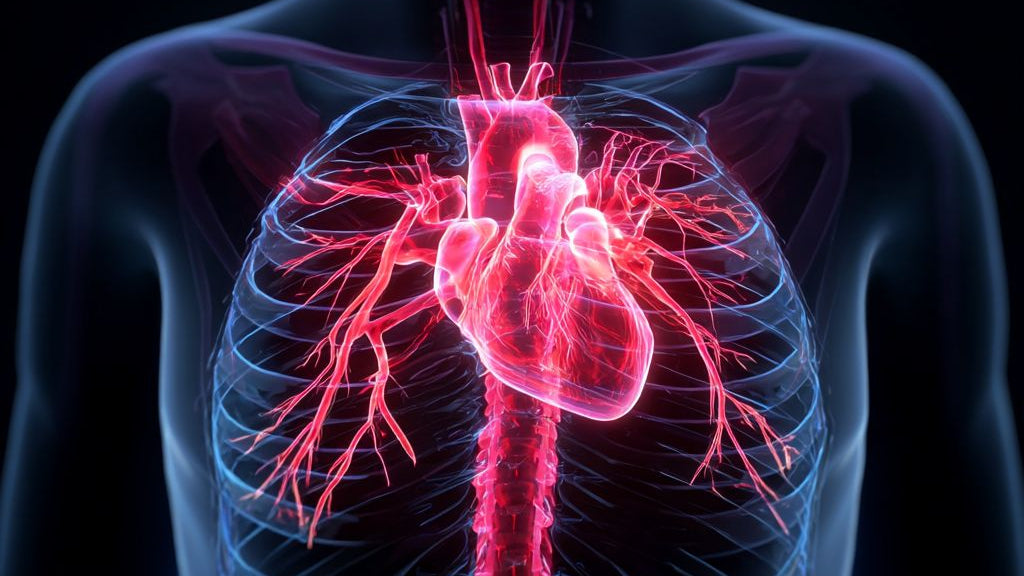
Heart Attack
Learn More
A heart attack occurs when blood flow to the heart muscle is blocked, usually by a blood clot, leading to damage to the heart. Risk markers help identify individuals at higher risk before symptoms appear. Common risk factors include:
- High blood pressure (hypertension)
- Elevated cholesterol and abnormal lipid profiles
- Diabetes or insulin resistance
- Smoking or exposure to tobacco
- Obesity and sedentary lifestyle
- Family history of cardiovascular disease
- Chronic inflammation or certain biomarkers like Apolipoprotein B, Glycoprotein acetyls, and fatty acid profiles
Early detection through these markers enables preventive strategies such as lifestyle modification, diet optimisation, exercise, and medical guidance to reduce the likelihood of a heart attack.
Ischaemic Stroke
Learn More
An ischaemic stroke occurs when a blood clot blocks an artery supplying the brain, leading to reduced oxygen and damage to brain tissue. Risk markers help identify individuals at higher risk before symptoms occur. Common risk factors include:
- High blood pressure (hypertension)
- Atrial fibrillation or other heart rhythm disorders
- High cholesterol and abnormal lipid profiles
- Type 2 diabetes or insulin resistance
- Smoking or tobacco use
- Obesity and sedentary lifestyle
- Family history of stroke or cardiovascular disease
- Chronic inflammation or specific biomarkers, such as Apolipoprotein B and Glycoprotein acetyls
Early identification of these risk markers allows for preventive interventions, including lifestyle modification, blood pressure and cholesterol management, and medical guidance to reduce the likelihood of stroke.
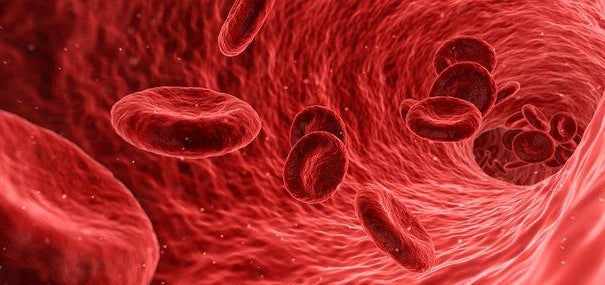
Type 2 Diabetes
Learn More
Type 2 diabetes develops when the body becomes resistant to insulin or cannot produce enough, causing elevated blood sugar over time. Risk markers identify individuals at higher risk before symptoms appear. Common risk factors include:
- Obesity, especially abdominal fat
- Sedentary lifestyle and lack of physical activity
- Poor diet, high in refined sugars and processed foods
- Family history of diabetes
- High blood pressure or cholesterol abnormalities
- Insulin resistance or elevated fasting glucose
- Chronic inflammation
Early detection allows preventive strategies such as dietary changes, increased physical activity, weight management, and medical monitoring to reduce the risk of developing diabetes.
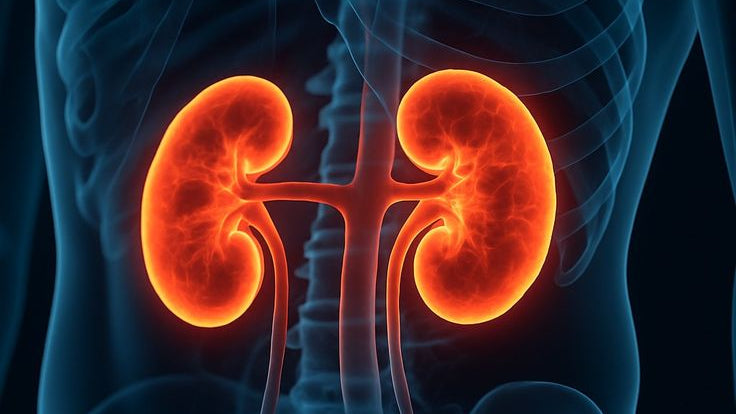
Chronic Kidney Disease (CKD)
Learn More
Chronic kidney disease is a gradual loss of kidney function, often developing silently over years. Risk markers can detect early decline before symptoms arise. Common risk factors include:
- Diabetes or poor blood sugar control
- High blood pressure (hypertension)
- Cardiovascular disease
- Family history of kidney disease
- Obesity or metabolic syndrome
- Elevated creatinine or abnormal filtration markers in bloodwork
Early identification enables lifestyle modification, blood pressure and glucose management, and monitoring to slow progression and protect kidney health.
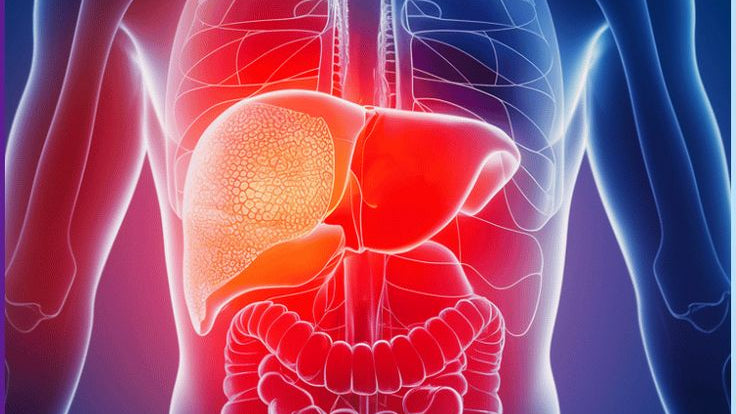
Fatty Liver Disease (Non-Alcoholic Fatty Liver Disease, NAFLD)
Learn More
Fatty liver disease occurs when excess fat builds up in the liver, unrelated to alcohol consumption. Risk markers help identify individuals at higher risk of liver inflammation or fibrosis. Common risk factors include:
- Obesity and central adiposity
- Insulin resistance or type 2 diabetes
- Poor diet, high in sugars and unhealthy fats
- High cholesterol or triglycerides
- Sedentary lifestyle
- Chronic inflammation or elevated liver enzymes
Early detection allows for interventions such as weight management, dietary changes, exercise, and monitoring to prevent progression to liver damage.
Assess Your Chronic Disease Risks
Know sooner. Act smarter.
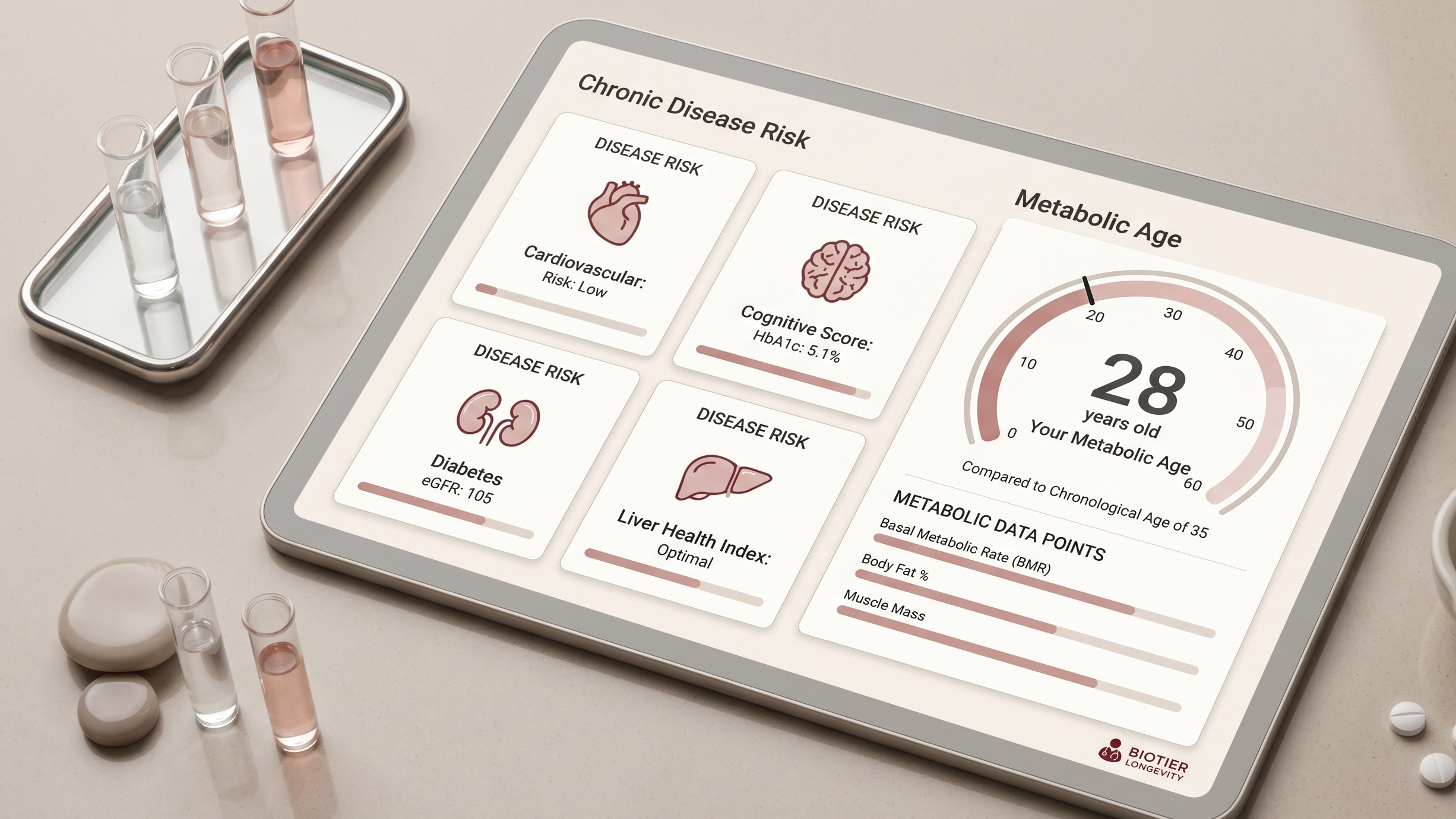
A physician-guided assessment combining key disease risk markers with metabolic health insights designed to help you understand your current health and where it’s heading.
Early awareness creates the opportunity for earlier intervention, lifestyle adjustments, and more informed health decisions.
By combining biomarker testing with physician-guided interpretation and longitudinal monitoring, Biotier provides a more structured approach to understanding chronic disease risk over time.